Free Shipping On Orders Over $100 🚚 Free Shipping On Orders Over $100 🚚 Free Shipping On Orders Over $100 🚚

Online Consultation : Simple Operation

Step one:Choose a consulting doctor
Step 2: Upload photos of your tongue coating, facial features, palm, and nails
Step 3: Schedule an online consultation
Step 4: Start the Consultation

Online Consultation : Simple Operation

Custom

Week Bestsellers

Blemish control cleanser

Don't let acne take over your life.

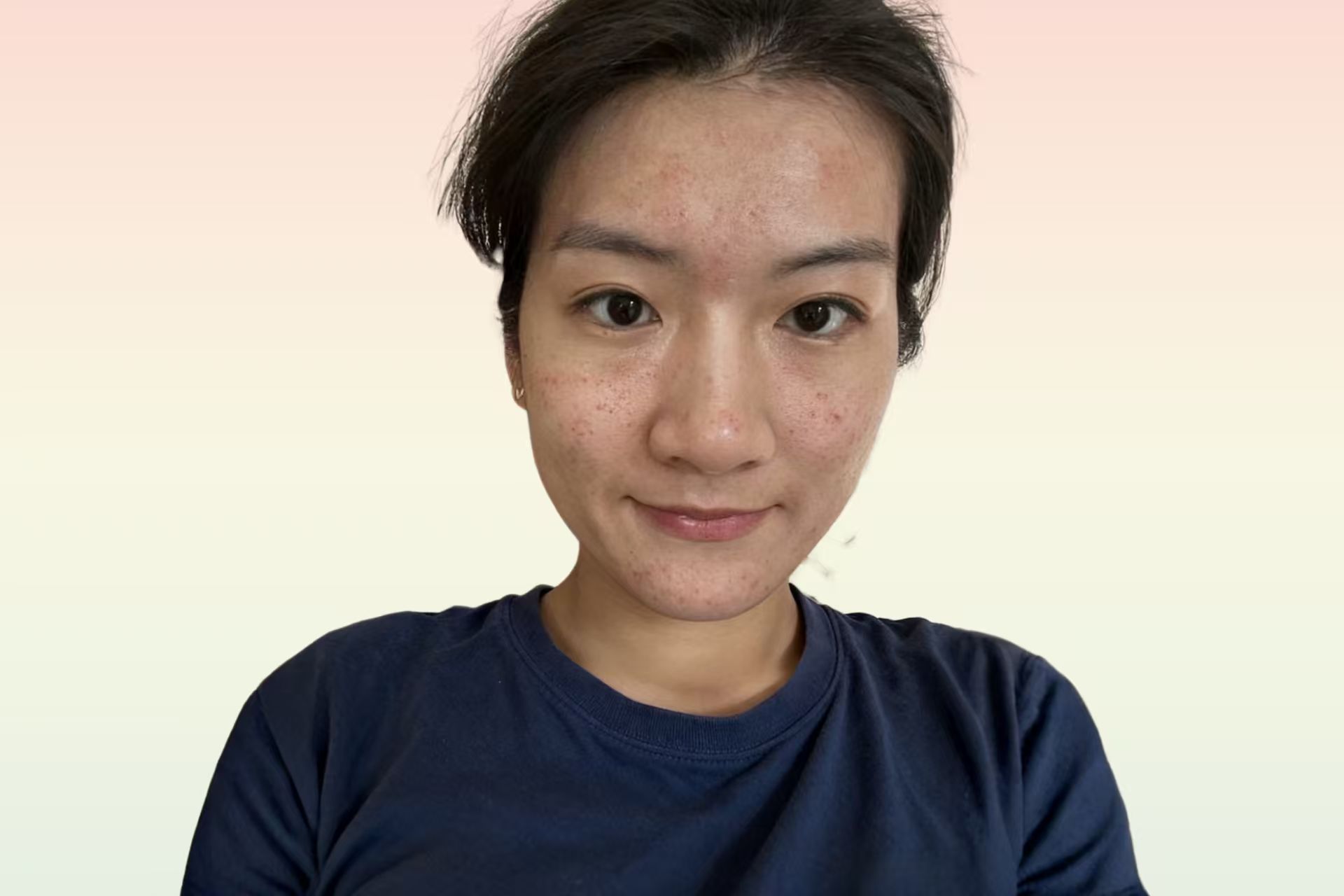
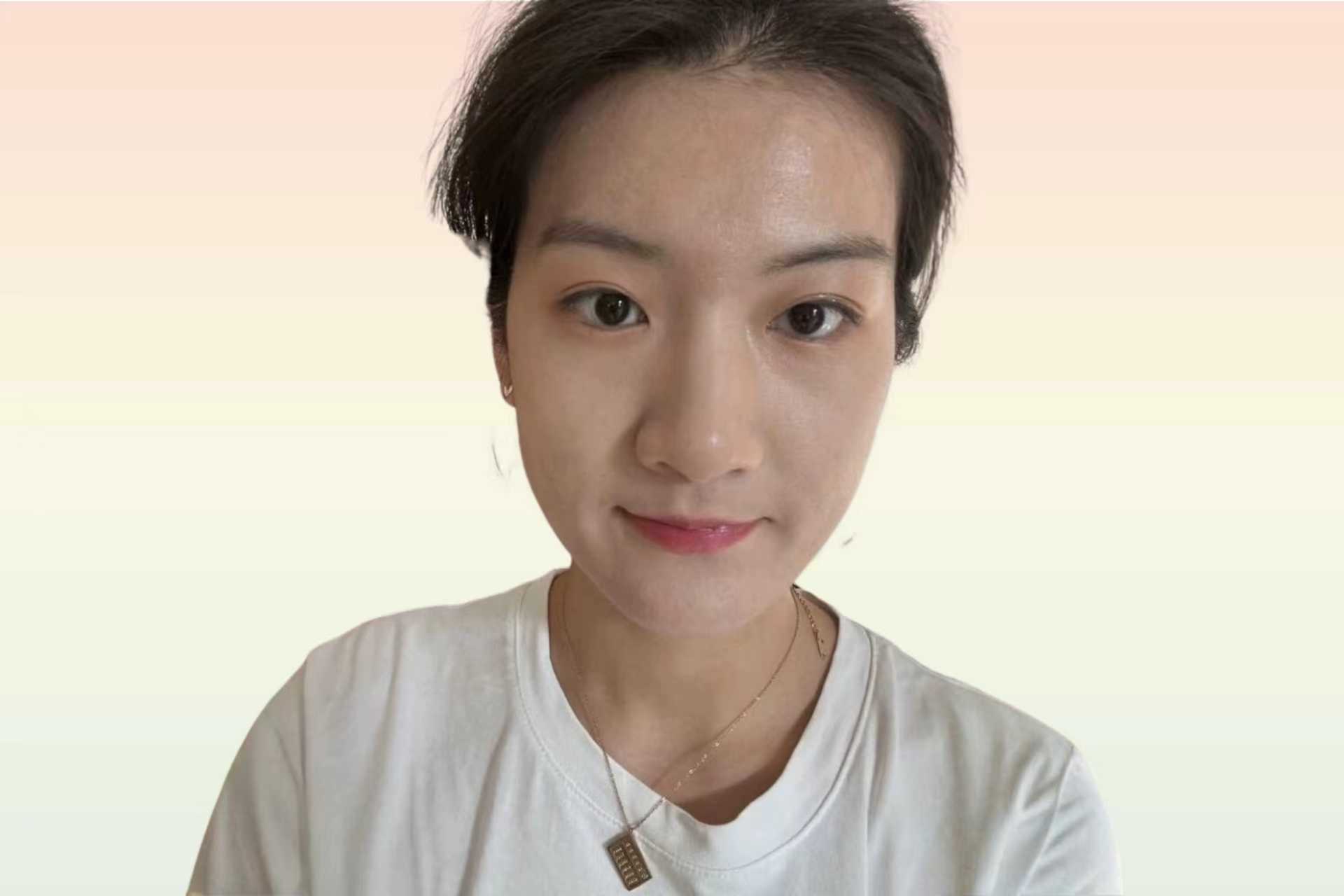
I often stay up late, and even eating a little can cause breakouts and pimples. My best friend recommended Fangye Herbal. After consulting with an experienced traditional Chinese medicine doctor, I followed a prescribed regimen for a while. The acne on my face cleared up, and my skin became much smoother. Highly recommended.

Popular wellness courses

Latest Videos on Channel

Latest Videos on Channel

# Concise Answers to Common Questions on Traditional Chinese Medicine Health Practices

1. Question: What is the core difference between traditional Chinese medicine health preservation and modern health management?

Answer: Traditional Chinese medicine focuses on 'preventing illness before it occurs' and holistic regulation, combining nature and individual constitution; modern health management emphasizes local testing and symptom treatment. The two can complement each other.

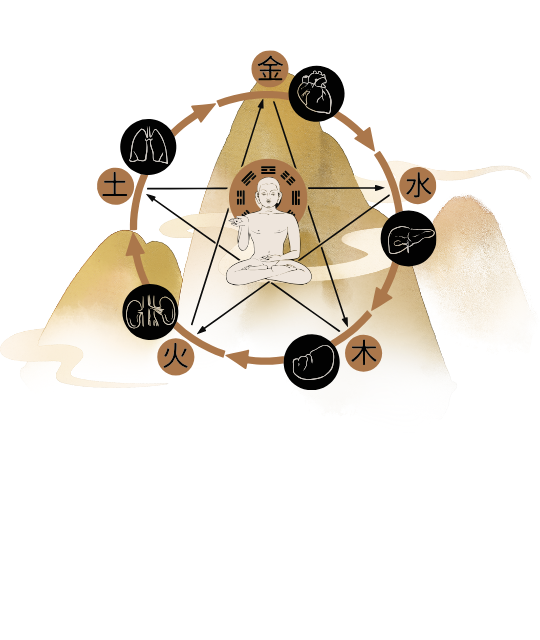
2. Question: How are 'Yin-Yang balance' and the 'Five Elements' actually used in health preservation?

Answer: It is a tool for regulating the constitution. Those with yang deficiency (sensitive to cold, diarrhea) should eat more warming foods, while those with yin deficiency (sensitive to heat, dry mouth) should nourish the yin more; the five elements correspond to organ relationships, so related organs should also be considered during regulation.

3. Question: Are 'excess dampness' and 'internal heat' real issues? How can they be managed?

Answer: It is a subhealthy condition. If you have excessive dampness (fatigue, sticky stools), you should eat less raw and cold foods, drink roasted coix seed and red bean water, and exercise more; for internal heat, distinguish between excess heat (drink mung bean soup) and deficiency heat (eat lily bulbs), and adjust accordingly based on symptoms.


4. Question: Does traditional Chinese medicine for health maintenance have side effects? Will it conflict with Western medicine if taken together?

Answer: There are side effects, and medication should be used according to individual conditions. When taken with Western medicine, there must be a 1-2 hour interval, and you should consult a doctor in advance to avoid interactions between components.

5. Question: Does the classification of TCM body types have a scientific basis? How can one determine their own body type?

Answer: It is based on clinical observation and related standards, divided into 9 types. Preliminary judgment can be made through symptoms (for example, fearing cold indicates Yang deficiency type), but accurate assessment requires consulting a licensed traditional Chinese medicine practitioner for syndrome differentiation.

6. Question: Besides pain relief, does acupuncture and moxibustion have other effects? Are they safe?

Answer: It can regulate qi and blood, and improve issues such as insomnia, anxiety, and digestive problems. Procedures are safe when performed by licensed practitioners at reputable institutions. Pregnant women and patients with bleeding disorders need to inform in advance.

7. Question: Is it true that 'you are what you eat'?

Answer: It is not meant literally; the core idea is matching the properties and flavors of food ingredients with the needs of the organs. For example, animal liver nourishes the blood and liver, and walnuts nourish the nerves. Consumption should be based on one's body constitution.

8. Question: Do 'meridians' and 'acupoints' really exist? Is massaging acupoints superstitious?

Answer: Meridians are channels through which Qi and blood circulate, and modern research has confirmed their uniqueness. Massaging acupoints (such as the Hegu point to relieve nasal congestion) is not superstition and can be used for everyday relaxation and maintenance.

9. Question: Does traditional Chinese medicine for health maintenance require long-term practice? Is it effective in the short term?

Answer: It requires long-term persistence. In the short term (3-14 days), slight improvements in sleep and hand and foot temperature can be observed. In the long term (3-6 months), effects on immunity and digestion become more noticeable.

10. Question: If someone overseas wants to try traditional Chinese medicine for wellness, what should be the first step?

Answer: First, consult a qualified traditional Chinese medicine practitioner for diagnosis, inform them of your health goals, allergies, and any Western medications you are taking, and start with low-risk methods such as dietary therapy and acupressure.